
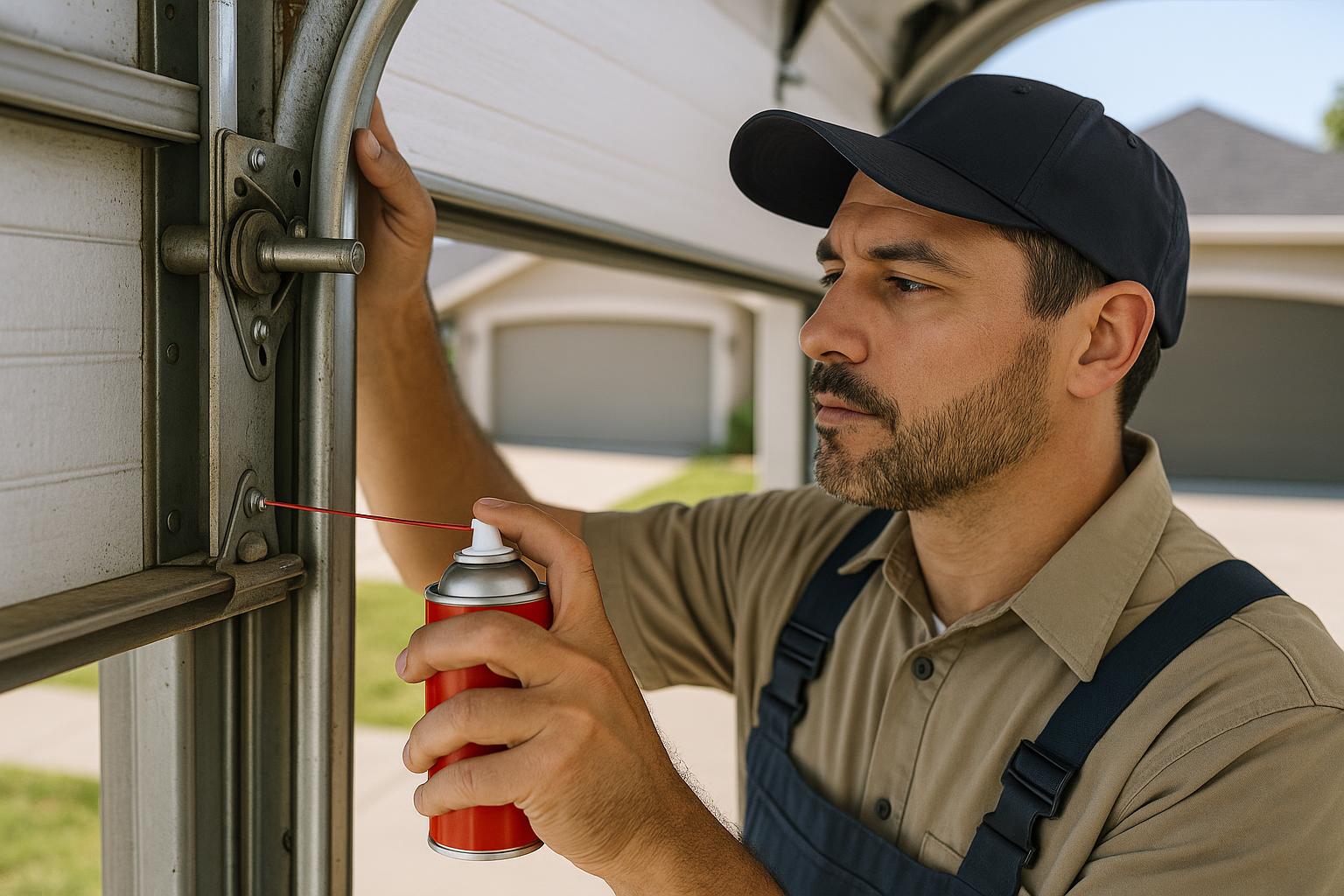
Your Garage Door Works Hard — Are You Taking Care of It?
Think about how many times your garage door opens and closes each day. For most Virginia Beach families, it's at least four to six cycles daily — that adds up to well over a thousand times per year. Your garage door is the largest moving component in your home, and it takes a beating from constant use, salt air, humidity, and seasonal temperature swings.
Despite all that wear and tear, garage door maintenance is one of those things most homeowners forget about entirely. The door goes up, the door comes down, and nobody thinks twice about it — until something breaks. By then, you're often looking at a more expensive repair that could have been prevented with a simple annual tune-up.
So how often should you actually schedule garage door maintenance, and what does that process involve? Let's break it down.
The Short Answer: At Least Once a Year
For most homeowners in Virginia Beach, scheduling a professional garage door maintenance visit once a year is the minimum recommendation. This annual tune-up gives a trained technician the chance to inspect every component, lubricate moving parts, tighten hardware, and catch small problems before they turn into big ones.
However, there are situations where you might want to schedule maintenance more frequently:
- High-use households: If your garage door opens and closes more than six times a day — say you have teenagers driving or you use the garage as your primary entrance — consider scheduling maintenance every six months.
- Older garage doors: Doors that are more than 10 to 15 years old have components that are closer to the end of their lifespan. More frequent inspections help you plan for replacements before something fails unexpectedly.
- Coastal proximity: Living near the oceanfront in Virginia Beach means your garage door hardware is exposed to salt air, which accelerates corrosion on springs, hinges, tracks, and other metal parts. Twice-a-year maintenance is a smart investment for homes in these areas.
- Commercial properties: Businesses in Norfolk, Chesapeake, and throughout Hampton Roads that rely on commercial garage doors for daily operations should schedule quarterly maintenance to minimize downtime.
What's Included in a Professional Garage Door Tune-Up?
A proper preventive maintenance visit isn't just a quick visual inspection. Here's what a thorough garage door tune-up should cover:
Visual Inspection of All Components
The technician examines the entire door system from top to bottom — panels, tracks, springs, cables, rollers, hinges, brackets, weatherstripping, and the opener. They're looking for signs of wear, damage, rust, or misalignment that could lead to problems down the road.
Spring and Cable Inspection
Garage door springs are under extreme tension and are one of the most common failure points. During maintenance, the technician checks for signs of fatigue, corrosion, or stretching. Cables are inspected for fraying or looseness. Catching a weakening spring early means you can schedule a replacement on your terms instead of dealing with an emergency.
Lubrication of Moving Parts
Rollers, hinges, spring coils, and the opener chain or screw drive all benefit from proper lubrication. This reduces friction, minimizes noise, and extends the life of these components. The right type of lubricant matters too — a technician will use garage door-specific products rather than general-purpose sprays like WD-40, which can actually attract dirt and grime.
Track Alignment and Cleaning
Tracks that are even slightly misaligned can cause the door to bind, make noise, or wear unevenly. The technician checks alignment, clears any debris from the tracks, and makes adjustments as needed.
Hardware Tightening
The constant vibration of a garage door opening and closing loosens bolts and brackets over time. A maintenance visit includes tightening all hardware to keep everything secure and operating smoothly.
Opener Testing and Adjustment
Your garage door opener's force and travel limits need to be properly calibrated. If the force setting is too high, the door could be dangerous. If it's too low, the door may not close completely. The technician also tests the auto-reverse safety feature and checks the photo-eye sensors to make sure they're aligned and functioning correctly.
Weatherstripping Check
The rubber seal along the bottom of your garage door and the weatherstripping around the frame keep out rain, wind, pests, and debris. In Virginia Beach, where summer storms and nor'easters can bring heavy rain and wind, intact weatherstripping is essential. Cracked or missing seals are noted so they can be replaced.
Balance Test
A properly balanced garage door should stay in place when you manually lift it halfway and let go. If it slides up or crashes down, the springs are out of balance, which puts extra strain on the opener and shortens its lifespan. This is one of the most important checks during any maintenance visit.
What You Can Do Between Professional Visits
While annual or semi-annual professional maintenance is important, there are a few simple things you can do on your own throughout the year to keep your garage door in good shape:
- Listen for unusual sounds. Grinding, squealing, or popping noises are signs that something needs attention.
- Watch the door's movement. It should travel smoothly without jerking, hesitating, or shaking.
- Keep the tracks clear. Wipe down the inside of the tracks occasionally to remove dirt and cobwebs.
- Test the auto-reverse. Place a roll of paper towels on the ground where the door closes. The door should reverse when it contacts the object. If it doesn't, call a professional immediately.
- Look at the springs and cables visually. You should never touch or adjust these yourself, but you can look for obvious signs of rust, fraying, or gaps in the spring coils.
The Cost of Skipping Maintenance
Homeowners sometimes skip maintenance because everything seems to be working fine. But garage door problems tend to develop gradually and then fail suddenly. A spring that's been slowly weakening for months snaps one morning when you're trying to leave for work. A roller that's been grinding for weeks finally seizes up and throws the door off its track.
The cost of a preventive maintenance visit is a fraction of what you'll pay for an emergency repair — not to mention the inconvenience and potential safety hazard of a garage door that fails without warning. Regular maintenance also extends the overall lifespan of your door and opener, saving you money on premature replacements.
Schedule Your Garage Door Maintenance Today
If it's been more than a year since your last garage door tune-up — or if you've never had one — now is the time. At Virginia Beach Garage Door Service, we provide thorough preventive maintenance for homeowners and businesses throughout Virginia Beach, Norfolk, Chesapeake, Hampton, Newport News, and Suffolk. Our technicians inspect every component, make necessary adjustments, and let you know about any issues that might need attention in the near future.
Don't wait for a breakdown to think about your garage door. A little preventive care goes a long way toward keeping your door safe, quiet, and reliable for years to come. Give us a call to schedule your maintenance visit today.