
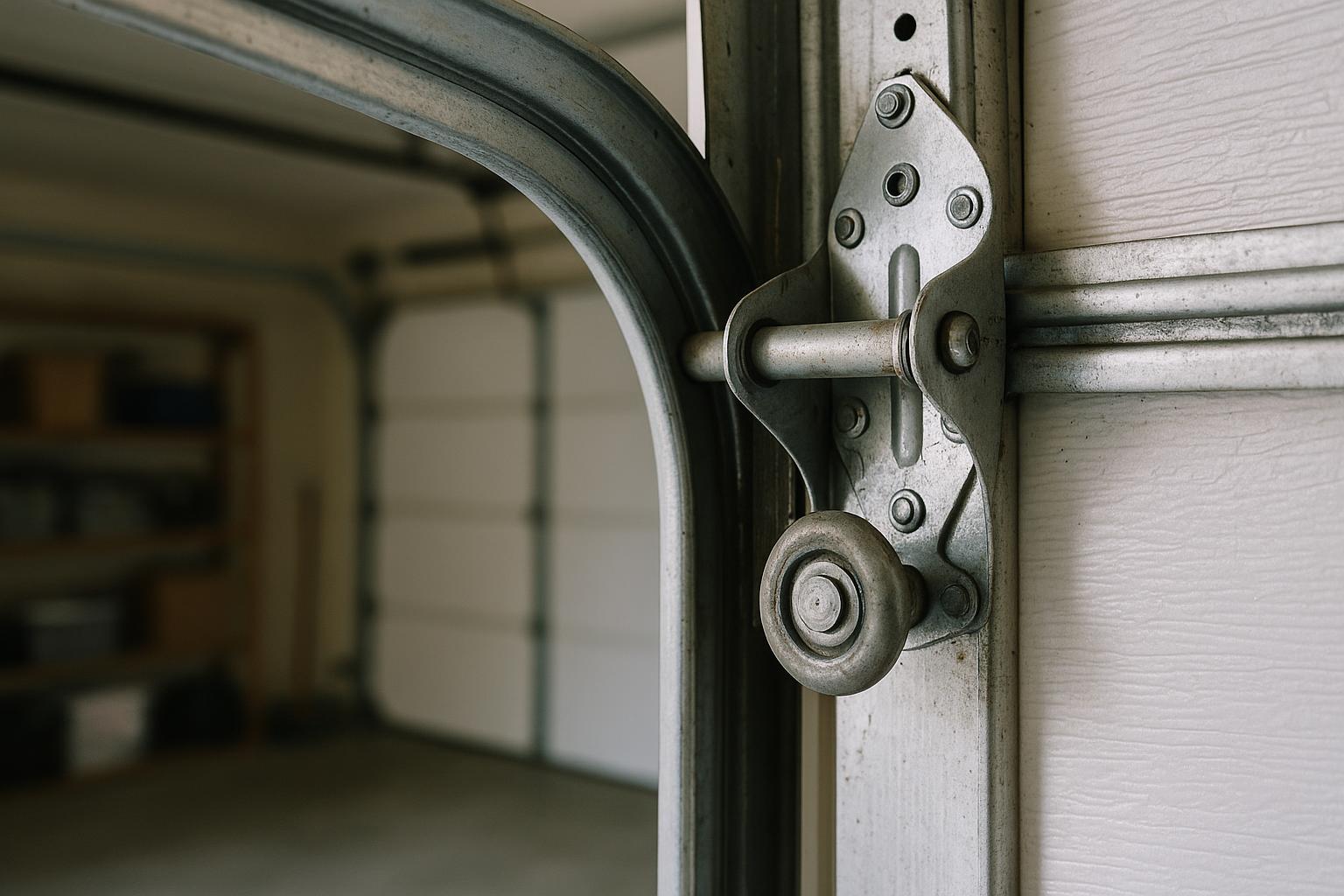
Your Garage Door Shouldn't Sound Like That
You press the button on your opener, and instead of the smooth hum you're used to, your garage door greets you with a grinding screech, a rhythmic banging, or a high-pitched squeal. It's not just annoying — those sounds are your garage door telling you something is wrong.
Garage doors are made up of dozens of moving parts, and when any one of them starts to wear out, shift, or fail, the result is usually noise. Some of these issues are minor and easy to fix. Others can lead to expensive damage or even safety hazards if you ignore them. Here's a breakdown of the most common garage door noises Virginia Beach homeowners encounter, what causes them, and what you should do about each one.
Grinding or Scraping Sounds
A grinding noise when your garage door opens or closes is one of the most common complaints we hear from customers across Virginia Beach. This sound typically points to one of a few issues:
- Worn rollers: Metal rollers that have lost their lubrication or have started to deteriorate will grind against the track as the door moves. Nylon rollers are quieter and last longer, and upgrading is a relatively affordable fix.
- Misaligned tracks: If the vertical or horizontal tracks have shifted even slightly, the door can scrape against them as it travels. This is more than a noise problem — a misaligned track can cause the door to jam or come off the track entirely.
- Opener gear issues: If you have a chain-drive or screw-drive opener, grinding can indicate that the internal gears are wearing down. Left unchecked, the opener will eventually fail to lift the door at all.
If you hear grinding, start by visually inspecting the tracks for obvious bends or gaps. But for anything beyond a simple lubrication fix, it's best to have a technician take a look before the problem gets worse.
Squealing or Squeaking Noises
High-pitched squealing is usually a lubrication issue. The hinges, rollers, springs, and bearings in your garage door system all need periodic lubrication to operate smoothly. Virginia Beach's coastal humidity can actually accelerate corrosion on metal parts, which makes regular lubrication even more important in our area.
Here's what to check:
- Hinges: Apply a garage door-specific lubricant (not WD-40, which is a solvent, not a lubricant) to each hinge where the panels connect.
- Rollers: If you have metal rollers, lubricate the bearings. If the rollers are visibly cracked or chipped, they need to be replaced.
- Torsion springs: A light coat of lubricant on the springs can reduce squealing and help prevent rust. However, never attempt to adjust or remove torsion springs yourself — they're under extreme tension and can cause serious injury.
If lubricating the moving parts doesn't eliminate the squeal, the noise may be coming from the opener's drive mechanism or from parts that are too worn to benefit from lubrication alone.
Rattling or Vibrating Sounds
Rattling usually means something is loose. Over time, the constant vibration of a garage door opening and closing multiple times a day can loosen nuts, bolts, and screws throughout the system. This is especially common in older homes around the Virginia Beach area where the original hardware may not have been inspected in years.
Common culprits include:
- Loose track brackets: The brackets that secure the track to the wall and ceiling can work themselves loose. Tightening them is straightforward but important — a loose track can lead to much bigger problems.
- Chain tension: If you have a chain-drive opener, a loose chain will slap and rattle during operation. Adjusting the tension usually solves the problem.
- Loose hardware on the door itself: Check the bolts on the hinges and roller brackets. A socket wrench and a few minutes can make a noticeable difference.
Rattling might seem harmless, but loose components put extra stress on the rest of the system and can lead to premature wear on your opener, springs, and tracks.
Banging or Popping Sounds
A loud bang or pop when the door moves is harder to ignore — and for good reason. These sounds often indicate a more serious issue:
- Torsion spring problems: A single loud bang, especially if the door suddenly becomes very heavy or won't open, usually means a spring has broken. This is a repair that requires professional tools and expertise.
- Panel issues: If a door panel has warped or become damaged, it can pop or bang as it's forced through the track. Warped panels are common in areas with fluctuating temperatures and high humidity, both of which we deal with regularly in coastal Virginia.
- Opener force settings: If the opener's force is set too high, the door may slam into the floor or the top stop with a bang. Adjusting the force and travel limits on the opener can resolve this, but incorrect adjustments can create safety problems, so proceed carefully or call a technician.
When to DIY and When to Call a Professional
Some garage door noises have simple fixes that any homeowner can handle. Lubricating moving parts, tightening loose bolts, and clearing debris from the tracks are all reasonable DIY tasks. Here's a quick guide:
Safe to Handle Yourself
- Applying garage door lubricant to hinges, rollers, and springs
- Tightening nuts and bolts on brackets and hinges
- Clearing dirt, leaves, or small objects from the tracks
- Checking the chain tension on your opener (minor adjustments only)
Call a Professional
- Anything involving torsion or extension springs
- Track realignment or replacement
- Opener motor or gear repair
- Replacing rollers on high-tension doors
- Any noise accompanied by the door not operating correctly
Attempting spring repairs or major track work without the right training and tools is genuinely dangerous. Every year, DIY garage door repairs send thousands of people to the emergency room nationwide.
Don't Ignore the Warning Signs
A noisy garage door is more than a nuisance — it's an early warning system. Catching a worn roller or a loose bracket now can save you from a broken spring, a jammed door, or a failed opener down the road. And in Virginia Beach, where salt air and humidity take a toll on metal components, staying ahead of maintenance is especially important.
If your garage door has started making sounds it didn't used to make, don't wait for the problem to get worse. At Virginia Beach Garage Door Service, we diagnose the issue, explain exactly what's going on, and fix it right the first time. Give us a call and let's get your door running quietly again.